A professional septic tank pump out typically takes between 45 and 90 minutes and involves locating the main access lids, removing all liquid and solid waste, and inspecting the tank’s baffles for structural integrity. For most homeowners, the primary concern is avoiding the mess and high cost of a system backup, which often happens at the most inconvenient times. Neglecting this routine maintenance can lead to slow drains, foul odors, or even complete system failure, turning a manageable task into a costly property emergency.
By understanding the step-by-step septic system pump out process, you can ensure your home remains clean and your yard stays protected. This guide will walk you through exactly what happens when the truck arrives, how a thorough septic tank clean out is performed, and what you should look for in a quality service.
Knowing what to expect allows you to plan with confidence and keep your home running smoothly. Let’s dive into how the process begins.
Why a Regular Septic Tank Pump Out Is Essential for Your Home
A septic tank pump out is the process of removing the accumulated sludge and scum layers that settle at the bottom and top of your septic tank over time. While the liquid effluent flows out to your drain field, these solid materials remain behind and must be mechanically removed by a vacuum truck to prevent the tank from reaching its maximum capacity. Without this routine septic pump out, solids can escape into the absorption area, leading to soil clogging and permanent system damage.
For homeowners in the Greater Sacramento area, staying on top of a septic tank cleaning and pumping schedule is the single most effective way to protect your property value and family health. A neglected system doesn't just cause slow drains; it can lead to raw sewage surfacing in your yard or backing up into your home, creating a hazardous and expensive situation. Because Blue Ribbon Septic operates with a no-commission model, our goal is to help you maintain a healthy system through honest, preventative care rather than waiting for a crisis to occur.
Prioritizing a timely pumping out septic tank service offers several practical advantages:
- Prevents Costly Repairs: Routine maintenance costs a fraction of the price of a full drain field replacement.
- Extends System Lifespan: Removing solids reduces the strain on your pipes and soil.
- Ensures Environmental Safety: A well-maintained tank prevents groundwater contamination.
- Prepares for Future Needs: During the process, technicians can identify if you need septic risers or lid installations to make future access easier.
A common misconception is that if you aren't experiencing a backup, your tank is "fine." In reality, by the time symptoms appear, the damage may already be done. Understanding the steps of the actual service helps demystify the process and ensures you get the quality work your home deserves.
The Step-by-Step Septic Tank Pump Out Process
When a Blue Ribbon Septic technician arrives at your property, the goal is a comprehensive septic tank pump out that leaves your system in peak condition. We don’t just "skim the top"; we perform a deep septic tank clean out to ensure that all heavy solids and floating scum are removed. This process is the foundation of our septic tank cleaning and pumping services, designed to give you peace of mind and a system that functions reliably for years to come.
Understanding these steps will help you prepare for our visit and know exactly what a high-quality service looks like.
1. Locating and Uncovering the Tank
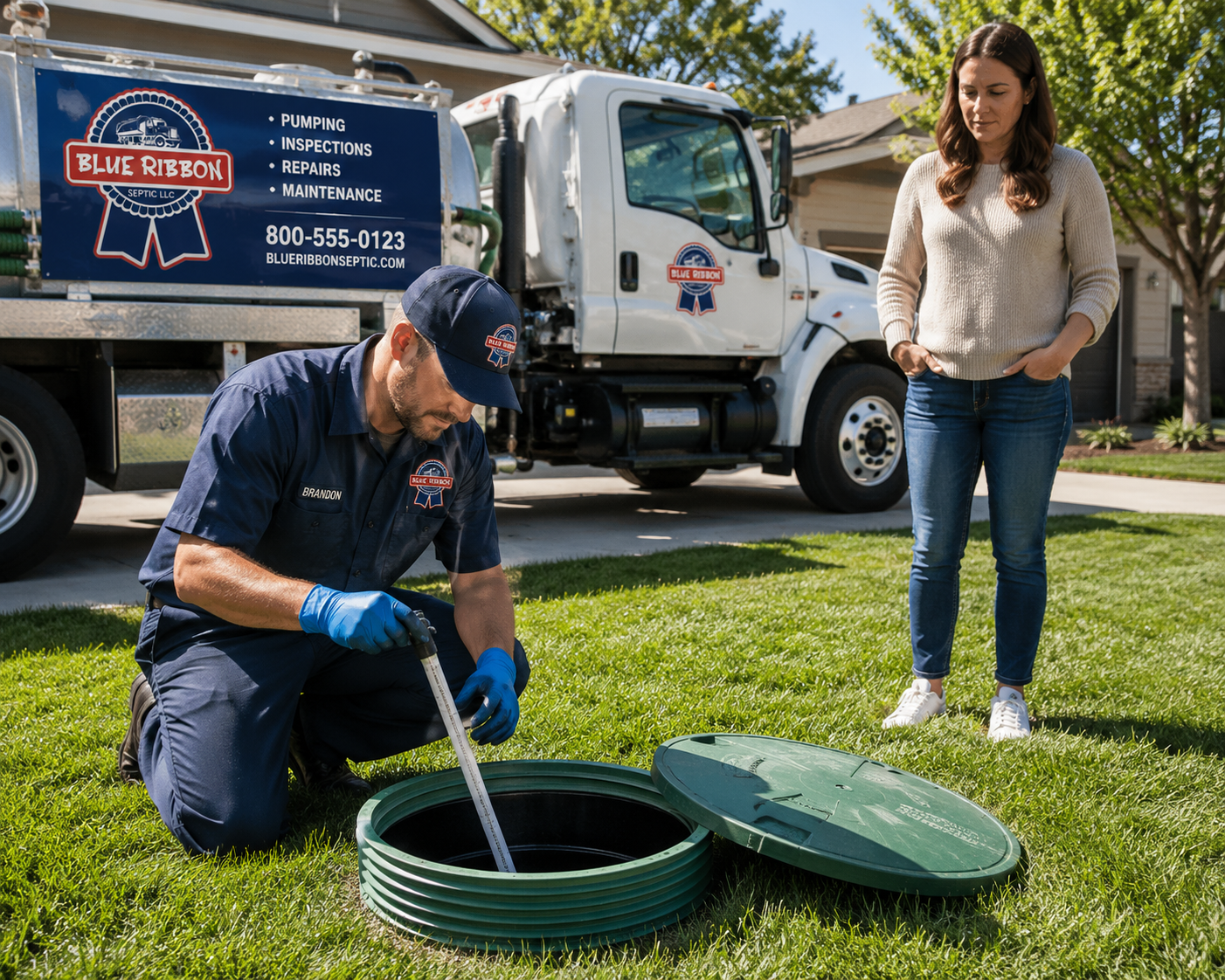
The first step is finding the exact location of your septic tank. If you don't have a map or clear markers, our team uses professional tank locating tools to find the lids without unnecessary digging. Once located, we carefully remove the soil to expose the main access ports. If your lids are buried deep underground, we may suggest installing risers later to simplify this process for future maintenance.
2. Initial Assessment and "State of the Tank"
Before the vacuum starts, we check the liquid level in the tank. If the level is higher than the outlet pipe, it’s a sign that your drain field might not be accepting water properly. Conversely, a low water level could indicate a crack in the tank. This diagnostic step is crucial for identifying small issues before they become catastrophic failures.
3. Pumping Out the Waste
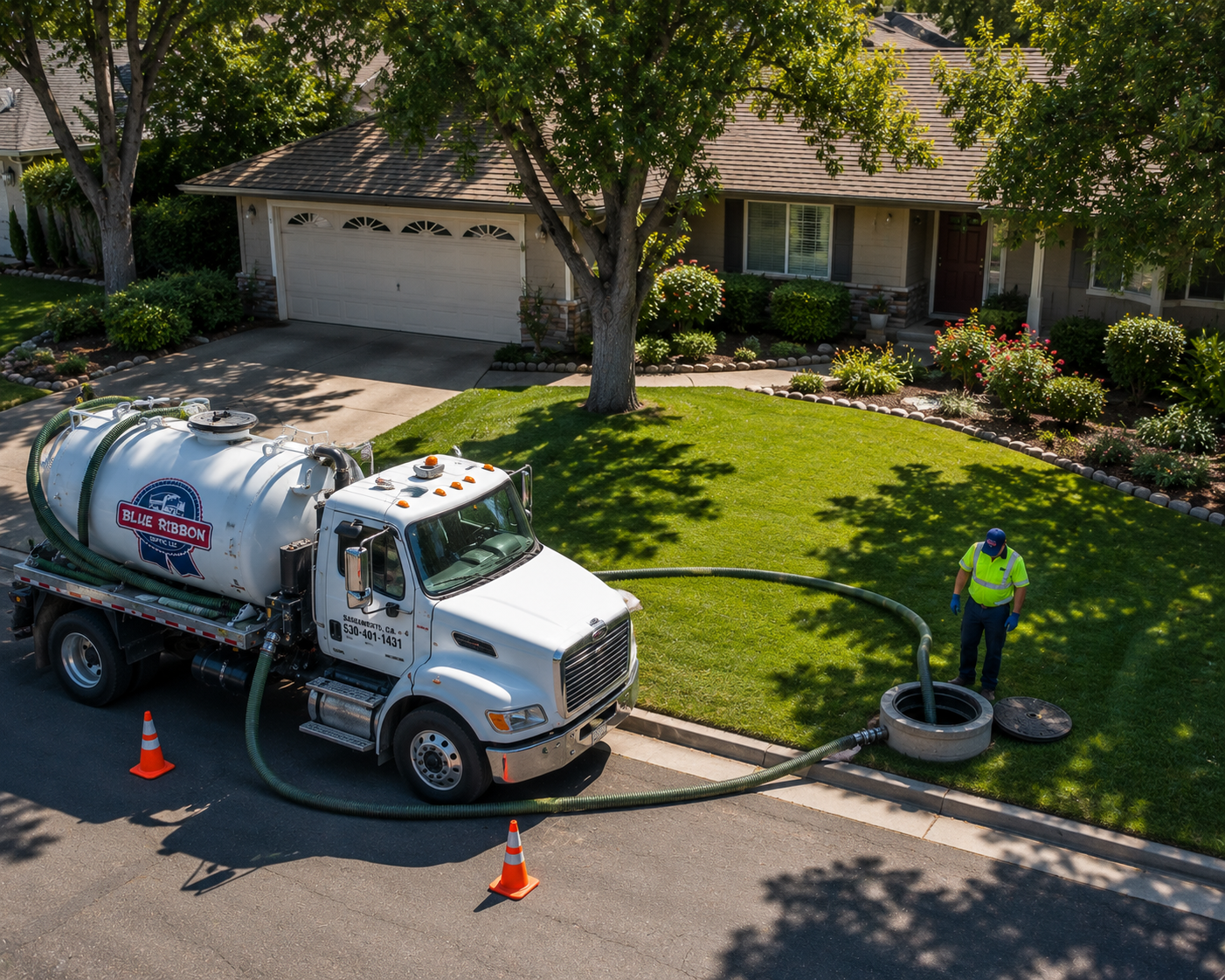
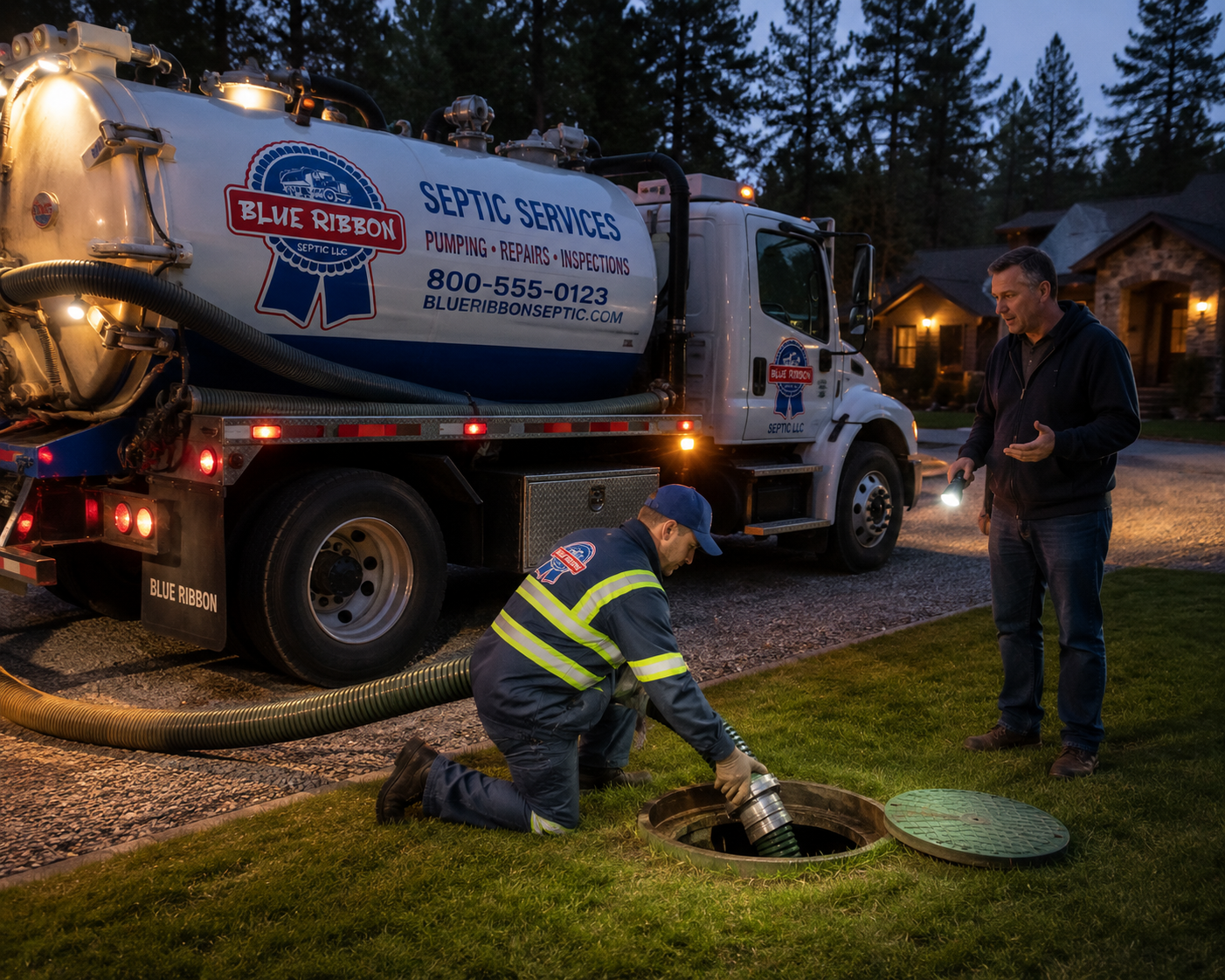
We lower a heavy-duty vacuum hose into the tank to begin the septic pump out. This isn't a passive process; our technicians use a technique called "backpumping" or "stirring" to break up the thick sludge layer at the bottom. By liquefying these solids, we ensure that the entire volume of waste is removed, rather than just the liquid. A thorough pumping out septic tank service means the tank is left as empty as possible.
4. Cleaning and Rinsing
Once the bulk of the waste is gone, we use high-pressure water to rinse the interior walls of the tank. This helps clear away any remaining debris or "pockets" of waste that could lead to lingering odors or rapid sludge buildup. We pay close attention to the corners of the tank where solids tend to hide.
5. Inspecting the Baffles and Filters
A critical part of the septic system pump out is inspecting the "baffles"—the T-shaped pipes at the inlet and outlet of the tank.
- The Inlet Baffle: Ensures waste enters the tank smoothly without disturbing the scum layer.
- The Outlet Baffle: Prevents solids from flowing out into your drain field. If your system has an effluent filter, we pull it out and clean it thoroughly to ensure proper flow. If we find that these components are damaged or missing, we can provide an estimate for repairs to protect your system's longevity.
6. Final Inspection and Closing Up
After the tank is empty and cleaned, we perform one last visual check for structural integrity, looking for any signs of corrosion or leaks. Once the inspection is complete, we securely replace the lids and backfill any soil we moved. We take care to leave your property as tidy as possible, ensuring the area is safe for children and pets.
7. Documentation and Recommendations
The job isn't finished until we provide you with a summary of our findings. Because our technicians aren't on commission, you'll receive an honest assessment of your system’s health. We might recommend a specific pumping frequency based on your household size or suggest minor repairs that can prevent future emergencies.
By following this meticulous process, we ensure that your septic tank pumpout is more than just a chore—it’s a professional investment in the safety and functionality of your home. Whether you are in Auburn, Citrus Heights, or Roseville, this standard of care is what has built our 30-year reputation for excellence.
Real-World Scenarios: When a Septic Tank Pump Out Saves the Day
Seeing how a professional septic tank pump out works in daily life can help you identify when your own system needs attention before a minor issue turns into a major expense.
Scenario 1: The Proactive Homeowner
A family of five in Citrus Heights noticed their drains were gurgling slightly after heavy laundry days. Rather than waiting for a backup, they scheduled a residential septic tank pump out to clear the three years of accumulated sludge. The technician discovered a clogged effluent filter during the process, cleaned it, and restored full flow, preventing a messy overflow and saving the family thousands in potential emergency restoration costs.
Scenario 2: The Real Estate Transaction
During a home sale in Auburn, the buyer requested a full septic system inspection to ensure the property was a sound investment. The septic tank pumpout revealed that the outlet baffle had deteriorated, which could have led to drain field failure. By identifying this during the routine pumping out septic tank process, the seller was able to replace the part quickly, allowing the sale to proceed on schedule with full transparency and peace of mind for the buyer.
Scenario 3: Commercial Reliability
A local small business noticed slow drainage in their restrooms and scheduled a septic pump out during off-hours. The quick intervention removed heavy solids that were beginning to migrate toward the lift station, ensuring their operations remained undisrupted and the business stayed compliant with local health standards.
These examples highlight how timely maintenance solves real-world problems, ensuring your property remains safe and functional regardless of the situation.
Professional Tips for a Successful Septic System Pump Out
Moving beyond the basic septic tank pump out involves adopting a few expert habits that can double the life of your system. These tips are the difference between reacting to plumbing disasters and maintaining a worry-free property.
- Know Your Pumping Frequency: Don't wait for signs of trouble to schedule a septic pump out. Most residential tanks require service every three to five years depending on household size. For example, a family of four using a standard tank should stick to a three-year cycle to prevent sludge from reaching the outlet baffle.
- Install Access Risers: If your tank lids are buried, consider a septic riser and lid installation. This eliminates the need for heavy digging during every septic tank clean out, reducing labor costs and protecting your landscaping from being torn up every few years.
- Map Your System: Keep a permanent record or "map" of your tank’s location and previous service dates. Having this information ready for your technician ensures a faster pumping out septic tank process and helps track the rate of solids accumulation, which is vital for long-term health monitoring.
- Watch What Goes Down the Drain: A successful septic tank pumpout starts with what you don't flush. Avoid "flushable" wipes, grease, and harsh chemicals, as these do not break down and can cause the scum layer to thicken prematurely, forcing you into more frequent service intervals.
Applying these proactive measures ensures that when the truck arrives, the process is straightforward and your system remains in peak operating condition.
Schedule Your Professional Septic Tank Pump Out Today
Maintaining a healthy home starts with a thorough septic tank pump out. You now understand that a professional service involves more than just emptying a tank; it’s a comprehensive septic system pump out that includes a deep septic tank clean out, component inspections, and proactive diagnostics. By staying ahead of sludge buildup, you protect your property from unexpected backups and ensure your system operates efficiently for decades.
Taking action today prevents the stress of a plumbing emergency tomorrow. Investing in routine care provides the peace of mind that your family’s health and your property’s value are fully protected. Whether you are overdue for a service or simply want an honest assessment of your system's condition, our expert team is here to help with a reliable septic tank pump out and cleaning tailored to your home's specific needs. Contact Blue Ribbon Septic today to schedule your appointment and experience the difference of a truly honest, no-pressure service.
Common Questions About the Septic Tank Pump Out Process
How often should I schedule a septic tank pump out?
Most residential systems require a septic tank pump out every three to five years. The exact frequency depends on your household size, the tank's capacity, and your daily water usage. For example, a large family using a standard tank will accumulate solids faster, necessitating a more frequent septic pump out to prevent overflow. Regular intervals ensure that sludge never reaches a level where it can exit the tank and clog your drain field.
What happens if I don't pump out my septic tank?
Neglecting to pump out septic tank systems leads to the accumulation of heavy solids that eventually migrate into the leach field. Once these solids exit the tank, they clog the soil's ability to absorb liquid, causing sewage to back up into the home or pool in the yard. This often results in a total system failure, which is significantly more expensive to fix than a routine septic tank clean out and maintenance visit.
Can I perform a septic tank pumpout myself?
No, a septic tank pumpout requires professional-grade vacuum equipment and a legal disposal method for the septage. Homeowners lack the high-capacity pumps needed to remove the thick sludge layer at the bottom of the tank. Furthermore, opening a tank without proper safety gear is dangerous due to toxic gases. A professional septic system pump out ensures the job is done safely, thoroughly, and in compliance with local environmental regulations.
How long does the pumping process usually take?
A standard residential septic tank pump out typically takes between 45 and 90 minutes. This timeframe can vary based on the tank’s size, how deeply the lids are buried, and the volume of solids that need to be broken down. If your lids are easily accessible via risers, the process is even faster. Our technicians work efficiently to ensure your system is fully serviced with minimal disruption to your daily routine.